

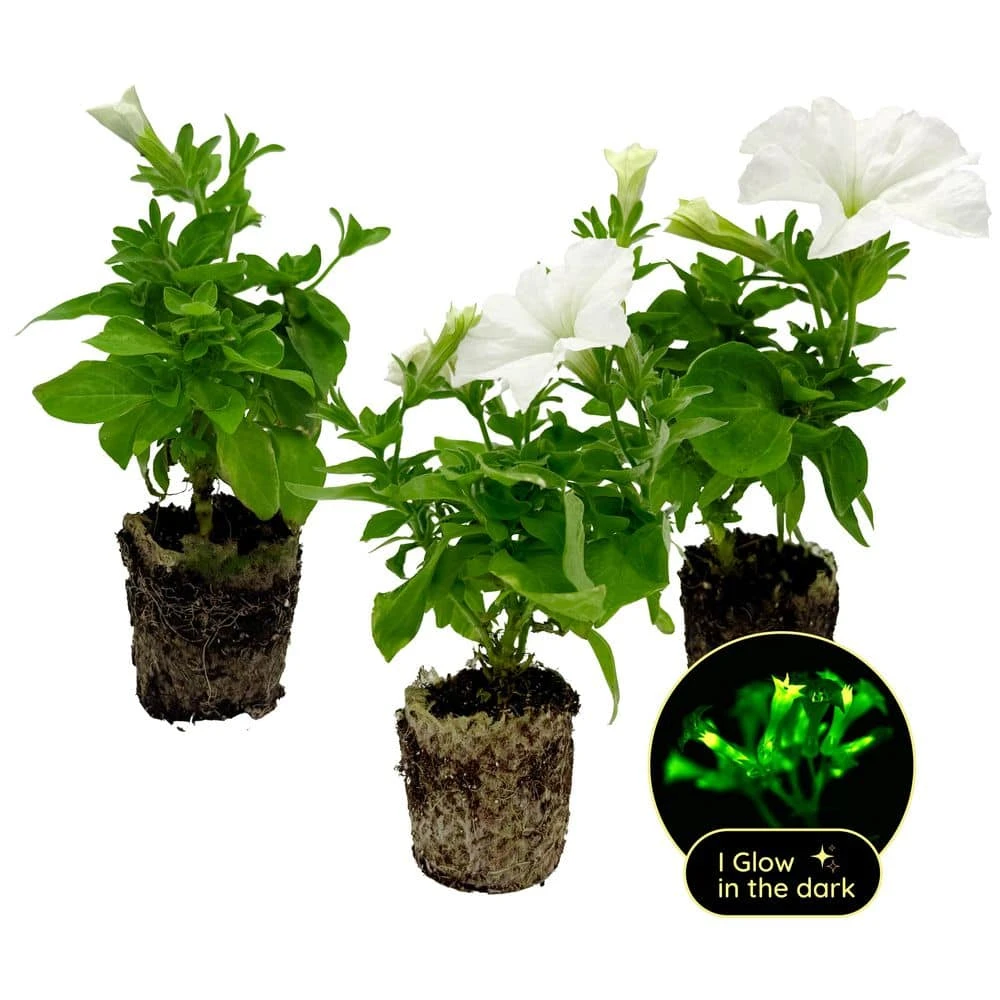
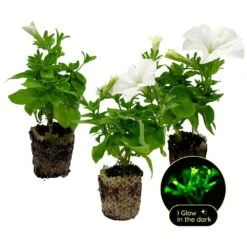
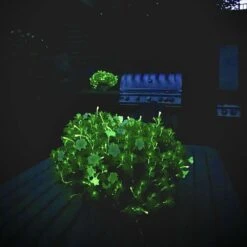

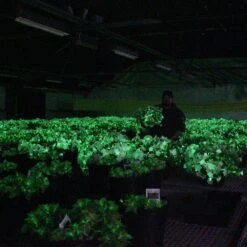


Firefly Petunia Live Outdoor Plant In 45mm Mesh Plug Avg. Shipping Height 5-6 In. Tall (3-Pack)
Original price was: $42.58.$29.81Current price is: $29.81.
- The quality you expect, the service you deserve.
- Efficiency meets excellence in customer care.
- Effortless solutions, excellent customer care.
- Free Shipping Worldwide

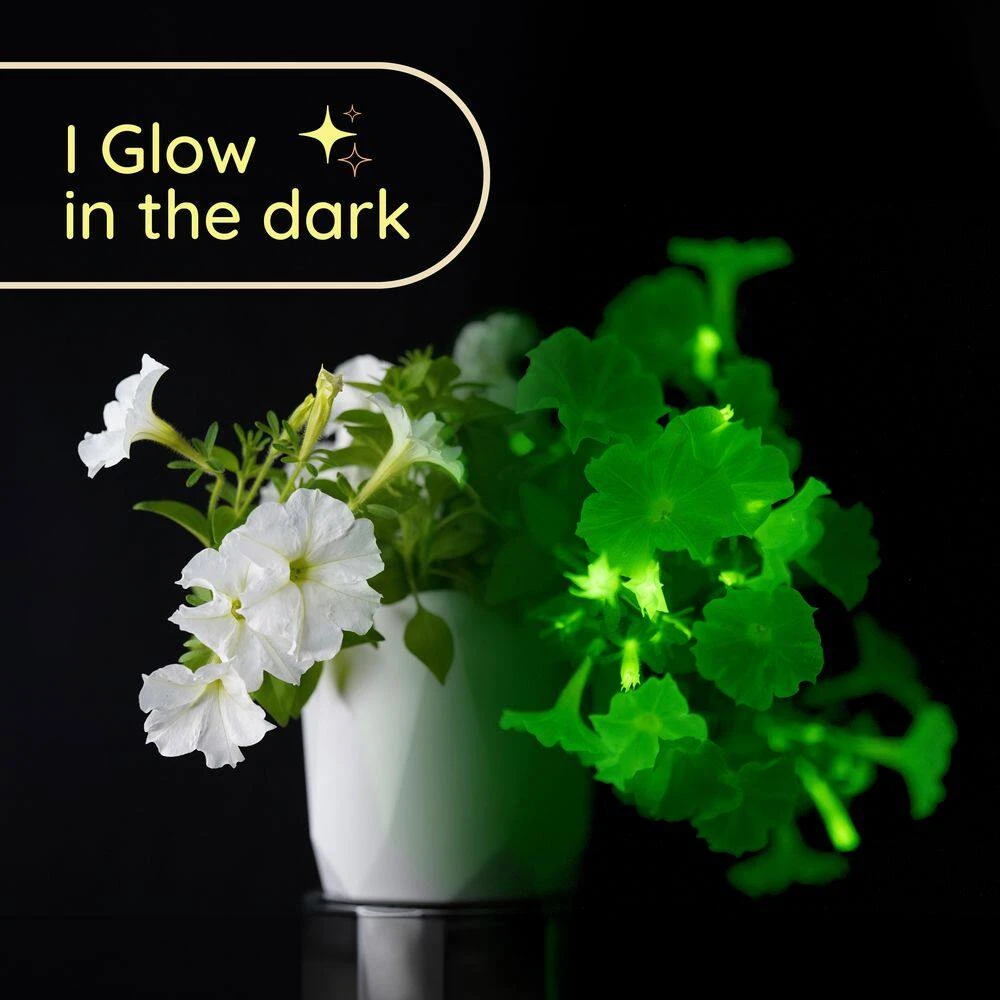
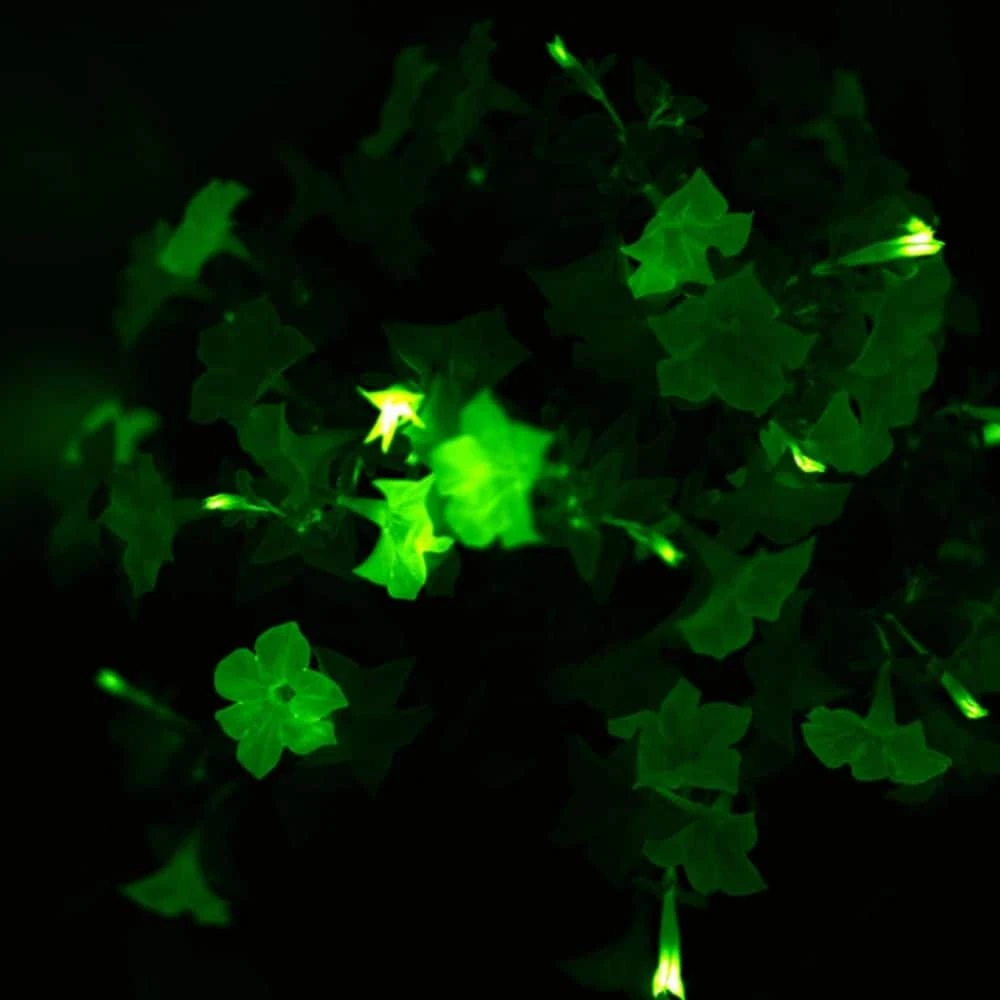
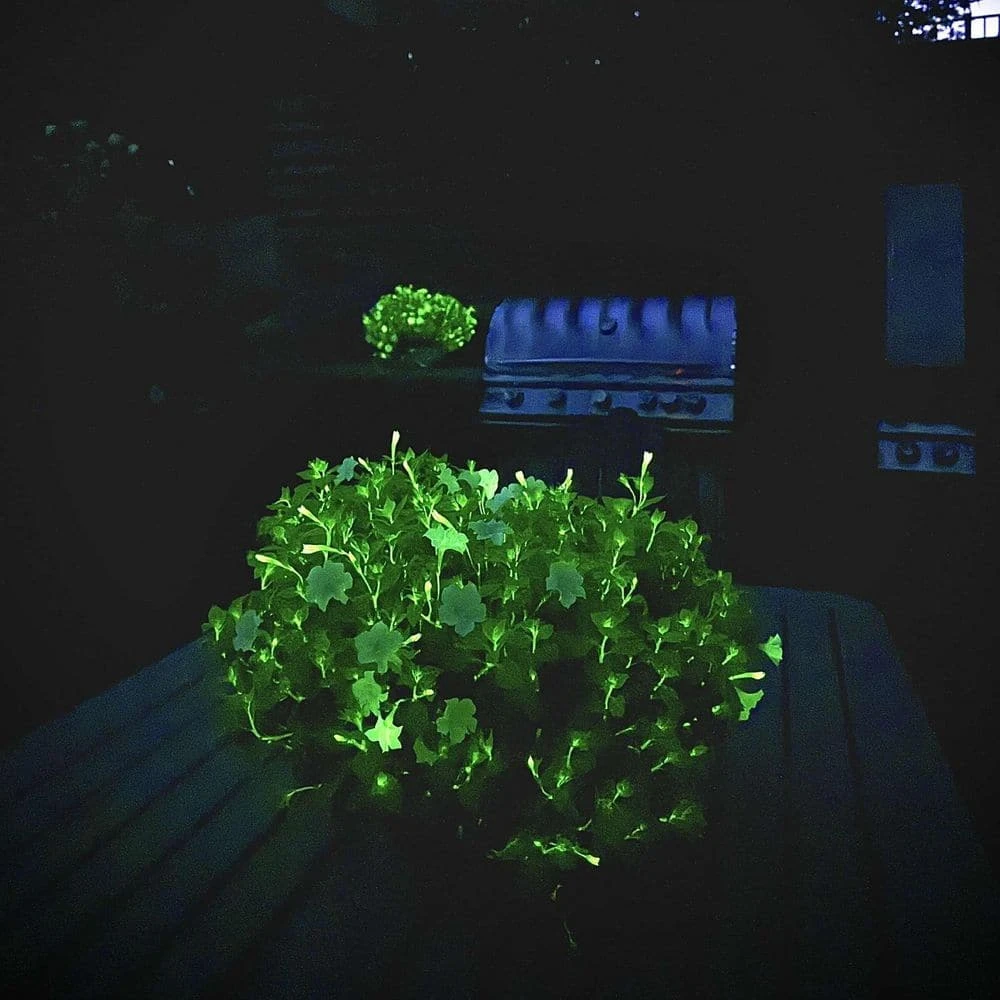
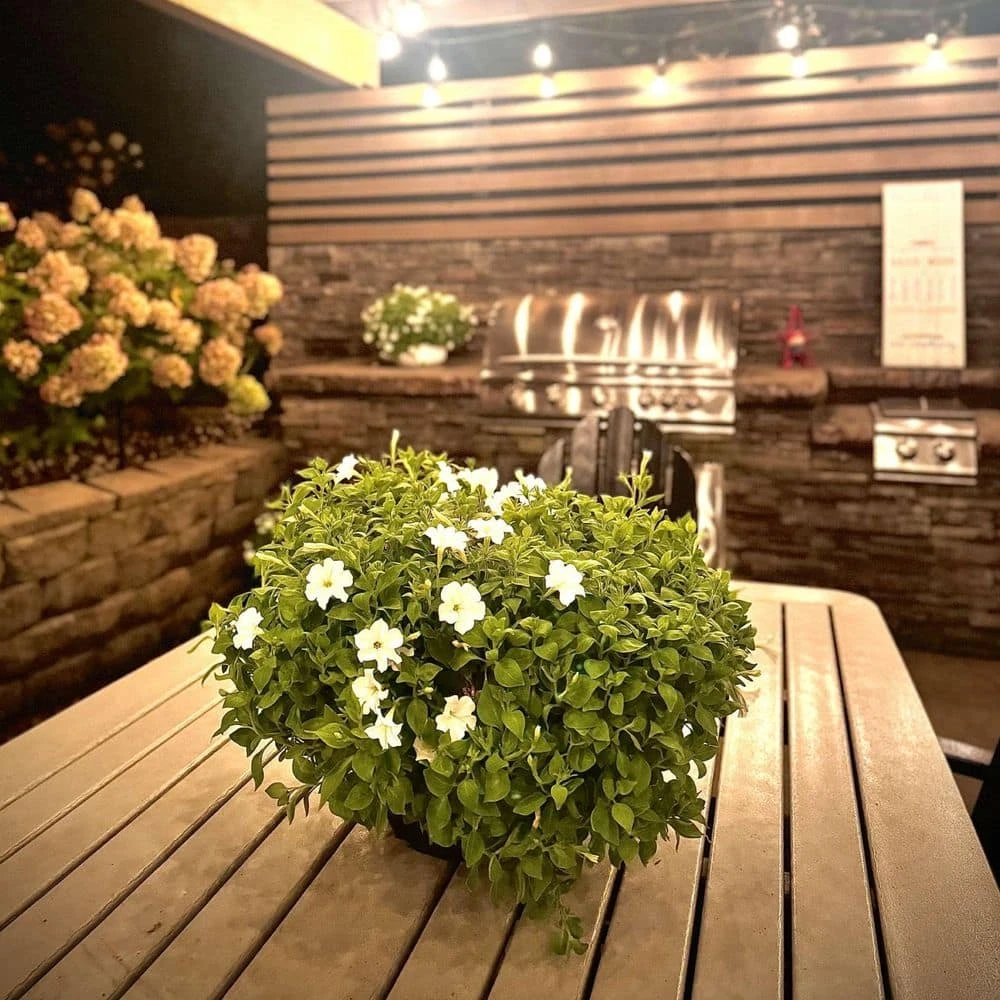
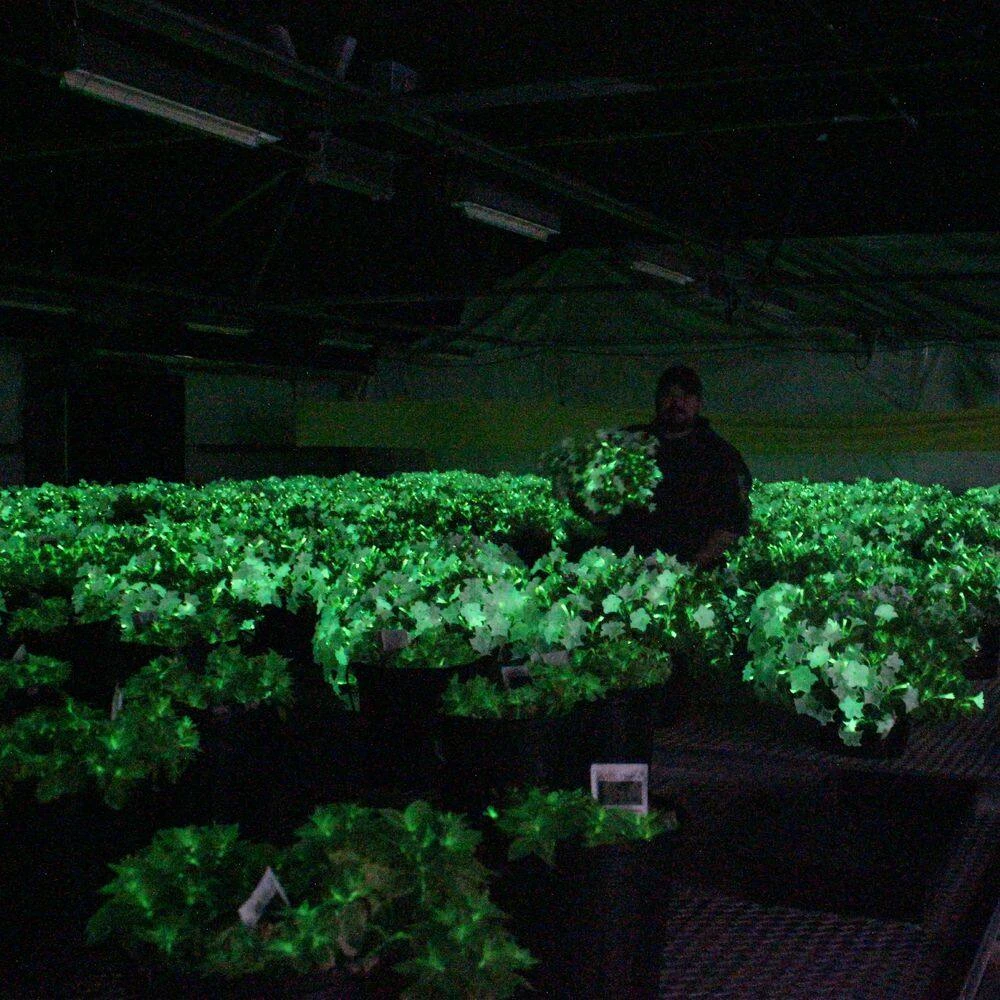
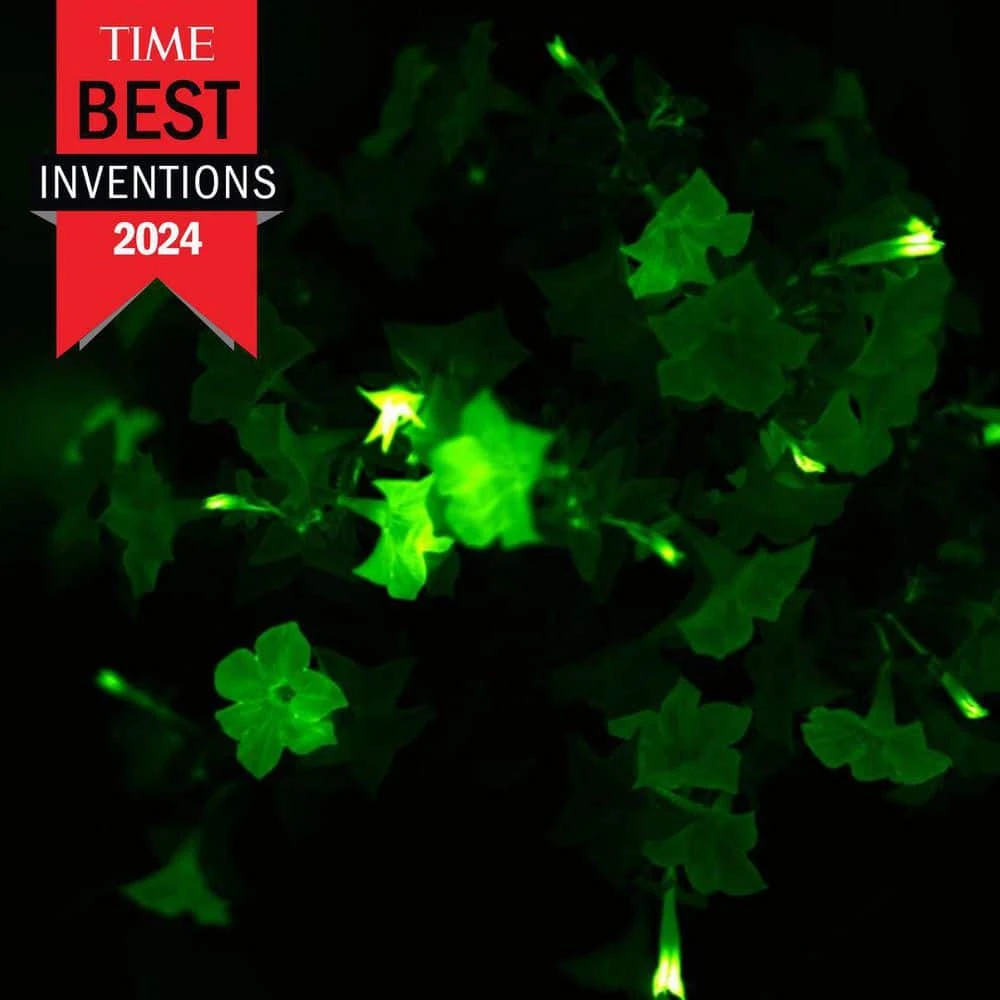
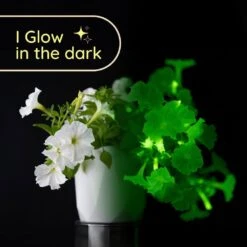
Enjoy an out-of-this-world gardening experience with Firefly Petunia! Unlike any other plant, Firefly Petunia is bioluminescent-it glows in the dark! After the sun goes down, the buds and flowers emit a soft greenish glow reminiscent of fireflies. Then during the day, it shows off an abundance of white, trumpet-shaped flowers with a light fragrance. This makes Firefly Petunia perfect for both landscape beds and borders (imagine it naturally illuminating your sidewalk or the edge of your patio) and container gardens. It’s stunning as a statement plant or mixed with other white flowers or silver foliage to help reflect the glow at night. Because the plant glows from within, the happier and healthier it is, the stronger the glow will be. Keep your Firefly Petunia happiest by giving it lots of sun, watering as needed, and fertilizing occasionally. You don’t need to give it any special care or treatment to enjoy it-just treat it like any other Petunia variety.
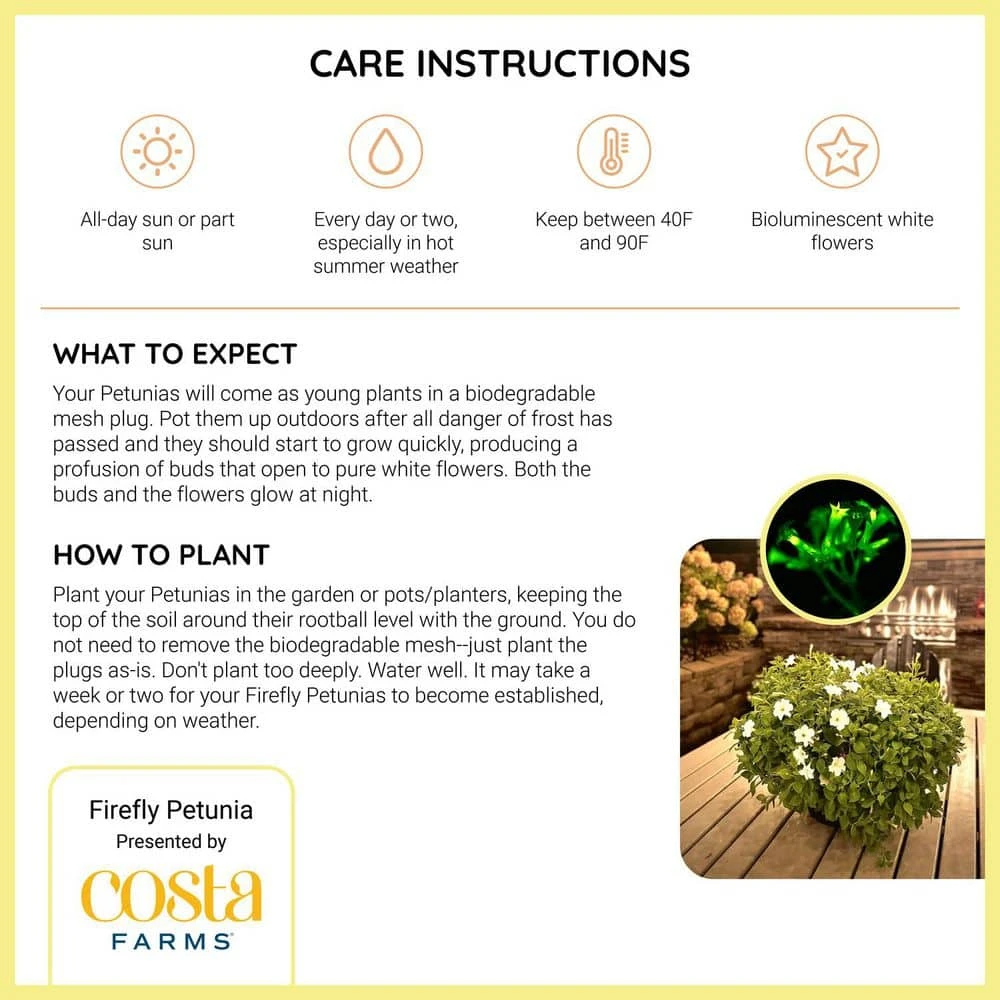
- Give it all-day sun in most areas, though in especially hot-summer areas, it may appreciate a little shade during the hottest afternoon hours at least 6 hours of direct sun is ideal
- Keep it well-watered in summer, which may mean daily watering in containers keep the soil moist, but not soggy, adding moisture as the top inch or so of the potting mix dries to the touch
- Ships in a three-pack of starter plants in biodegradable mesh plugs once potted up, they should grow quickly and start to produce lots more blooms within a few weeks
- This plant may have some natural degree of toxicity and may cause discomfort or illness if ingested additionally, exposure to the sap of this plant may cause discomfort to individuals with a sensitivity to it upon contact grown for ornamental purposes and not intended for human or animal consumption
- It tolerates temperatures between about 45f and 90f but does best between about 60f and 75f
- Firefly petunia is genetically modified and glows because of genes imported from tropical mushrooms it does not cross pollinate with plants native to North America and has not shown any impact on pollinators such as bees and butterflies
| Additional Characteristics | None Listed |
|---|---|
| Average Shipping Height (in.) | 4 in |
| Best Time to Plant | Spring to Fall |
| Bloom Season | Fall,Spring,Summer |
| Blossom Color Family | White |
| Botanical Name | Petunia |
| Common Name Family | Petunia |
| Container Size | 2.5 Inches |
| Fragrance | Fragrant |
| Growth Habit | Mounded |
| Hardiness Zone | 11 (40 to 50 F) |
| Number of plants included (Pack-Size) | 3 |
| Recommended Space Between Plantings (in.) | 8 |
| Returnable | 90-Day |
| Sun Tolerance | Full Sun |
| Water Requirements | Daily |
| Wildlife Attracted | No Wildlife Attracted |
| Wildlife Deterred | No Wildlife Deterred |
| Mature Height (in.) | 12 in. |
| Mature Width (in.) | 12 in. |
Be the first to review “Firefly Petunia Live Outdoor Plant In 45mm Mesh Plug Avg. Shipping Height 5-6 In. Tall (3-Pack)”
Related products

Bushes
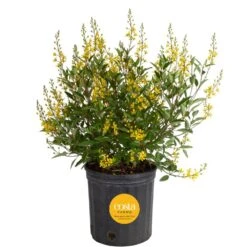
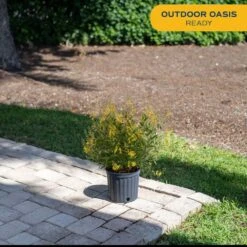
10 In. Outdoor Yellow Galphimia Thryallis Plant In Grower Pot, Avg. Shipping Height 26 In. To 32 In.
Costa Farms Perennials
Bushes
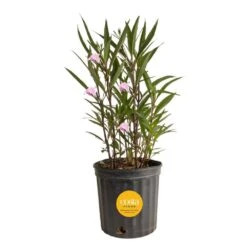
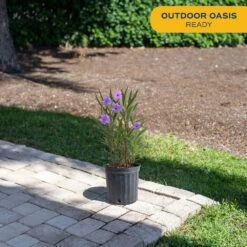
10 In. Outdoor Purple Ruellia Plant In Grower Pot, Avg. Shipping Height 24 In. To 28 In. Tall
Bushes
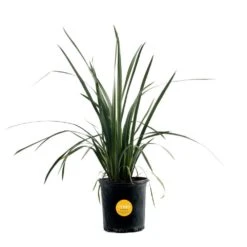
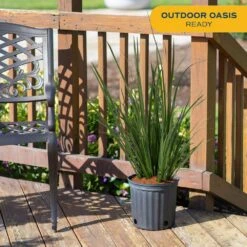
Outdoor Dietes Iris Giant Plant In 9.25 In. Grower Pot, Avg. Shipping Height 2 Ft. To 3 Ft. Tall

Costa Farms Perennials
Reviews
There are no reviews yet.